Ice Cross Safety: Protecting Athletes in High-Speed Competition
Safety is a defining pillar of Ice Cross, a sport built on speed, physical intensity, and the challenge of navigating steep, technical ice tracks. As the discipline continues to expand internationally, both organizers and athletes are placing even greater emphasis on reducing risk while preserving the raw excitement that makes the sport so compelling. Every competition reflects a careful balance between performance and protection, ensuring that athletes can compete at full intensity within a controlled and professionally managed environment.
Specialized Protective Equipment
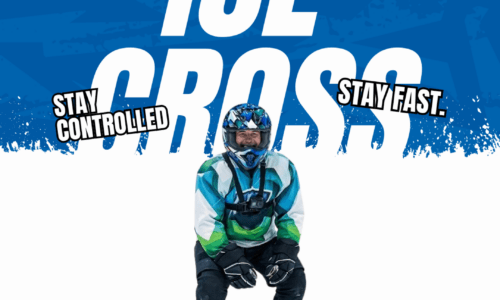
At the center of Ice Cross safety is the mandatory use of specialized protective gear. Athletes are required to wear equipment designed for high-speed impacts and close-contact racing. Helmets, often full-face in design, provide critical protection against collisions and falls. Beyond head protection, racers wear reinforced shoulder pads, chest protectors, and durable knee and shin guards to absorb impact. Gloves are designed for grip and hand protection, while neck guards and cut-resistant clothing add another layer of defense. This comprehensive gear allows athletes to push their limits with confidence.
Track Design and Safety Measures
Equally important is the engineering behind Ice Cross tracks. Courses are built not only for speed and technical challenge but also with safety as a priority. Jumps, rollers, and tight corners are strategically designed to test athletes without compromising safety. Protective barriers and padding are placed in high-risk zones to reduce the severity of crashes. Thorough inspections are conducted before every race to ensure ice quality, obstacle placement, and overall course integrity meet strict safety standards.
Role of Race Officials
Race officials play a critical role in maintaining safety throughout events. From training sessions to finals, they monitor conditions such as weather, ice stability, and visibility. Officials enforce strict regulations regarding equipment, athlete conduct, and race procedures. Any unsafe behavior or equipment issue can result in penalties or disqualification, reinforcing a culture of responsibility across the sport.
Athlete Preparation and Training
Preparation off the track is just as crucial as on-track safety measures. Ice Cross athletes train to enhance strength, speed, control, and awareness. They learn how to react under pressure, maintain balance at high speeds, and even fall safely. Familiarity with equipment and course layouts allows athletes to make quick, informed decisions, reducing the risk of injury during races.
Advancements in Technology and Safety
As Ice Cross grows globally, innovation continues to improve safety standards. Lighter yet more durable protective gear is being developed, and course designs are constantly refined to maximize both performance and safety. Event organizers continue to enhance protocols, ensuring that safety evolves alongside the increasing intensity of competition.
A Collective Effort
Ultimately, safety in Ice Cross is a combined effort between athletes, organizers, and governing bodies. With proper preparation, advanced equipment, and strict oversight, competitors can perform at the highest level while minimizing risk. This careful attention to safety ensures that Ice Cross remains one of the most thrilling and responsible winter sports in the world.