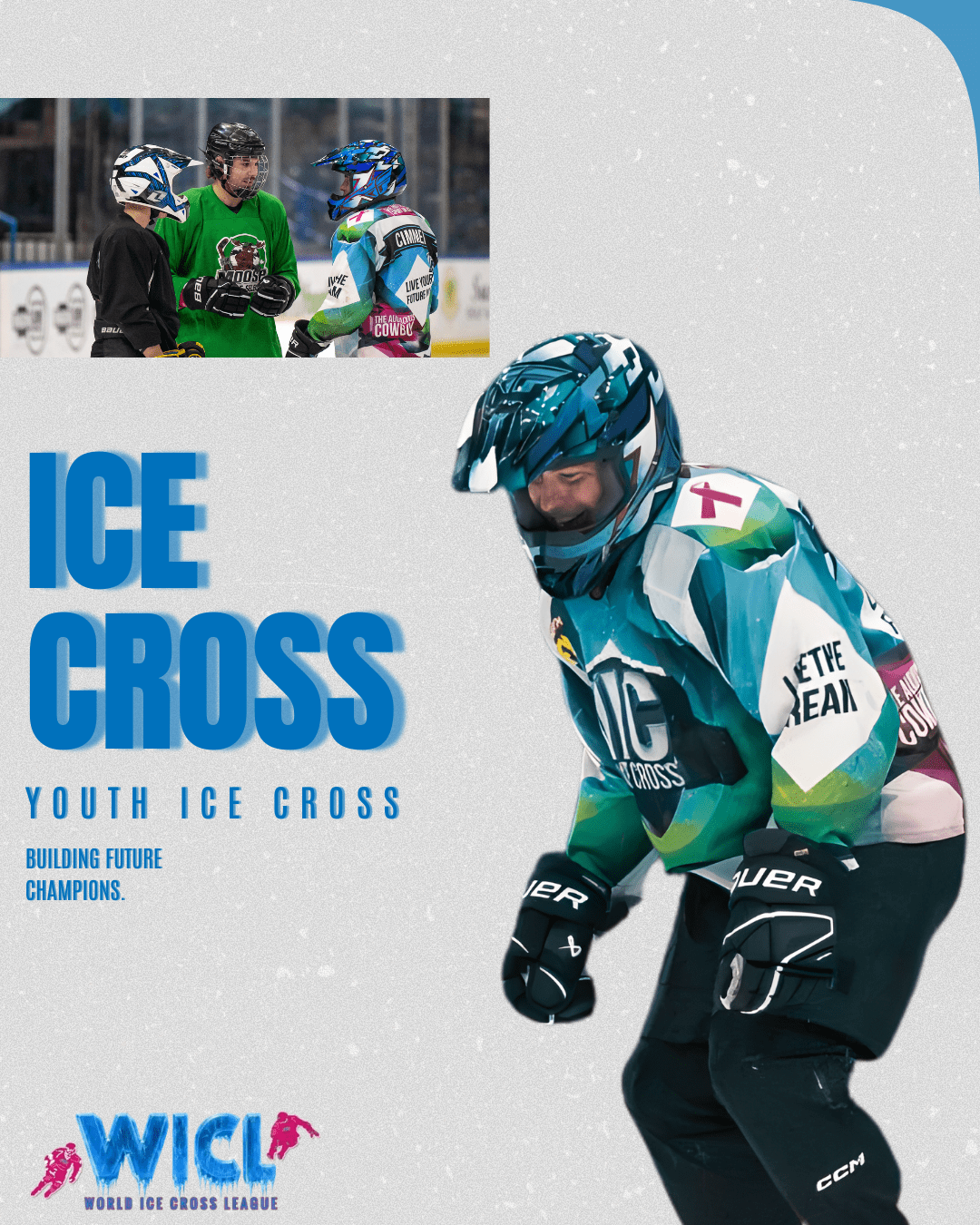
The Importance of Youth Participation in Ice Cross
Youth participation plays a crucial role in the long-term growth and sustainability of Ice Cross. As the sport continues to expand globally, introducing younger athletes ensures that there is a steady pipeline of skilled competitors ready to carry the sport forward. Developing talent at an early age not only strengthens the competitive level but also builds a passionate community that supports Ice Cross for years to come.
By engaging youth early, the sport benefits from athletes who grow up understanding its unique demands. Ice Cross is not just about speed; it requires balance, strategy, technical control, and mental focus. When these skills are introduced at a young age, athletes are able to refine them over time, leading to higher performance levels as they progress into elite competition.
Building a Strong Foundation Through Early Exposure
Introducing younger athletes to Ice Cross creates a strong and stable foundation for future competition. Early exposure allows children to become comfortable on the ice and develop confidence in their abilities. This stage is critical because it shapes how athletes perceive the sport and their willingness to continue improving.
At this level, the focus should remain on enjoyment and exploration rather than intense competition. When young athletes enjoy the learning process, they are more likely to stay committed. This creates a positive environment where skill development happens naturally, without unnecessary pressure.
Learning the Basics of Ice Cross
The first step in youth development is mastering fundamental skating skills. Young athletes begin by focusing on balance, proper posture, and controlled movement. These basics are essential because they form the backbone of all advanced techniques used in Ice Cross.
Learning how to turn efficiently, stop safely, and maintain control at different speeds helps athletes build confidence on the ice. These skills may seem simple, but they are critical when navigating the fast-paced and unpredictable nature of Ice Cross tracks. Without a strong foundation, it becomes difficult to progress safely.
Coaches and trainers often emphasize repetition and consistency at this stage. By practicing basic movements regularly, young athletes develop muscle memory, which allows them to react quickly and effectively during races.
Progressive Training and Skill Development
As young athletes improve their basic skating abilities, training naturally becomes more advanced. Progressive training is key to ensuring that athletes continue to grow without being overwhelmed. This approach introduces new challenges gradually, allowing athletes to adapt at a comfortable pace.
Youth racers may begin practicing on small downhill sections, where they learn how to manage speed while maintaining control. This is often the first step in transitioning from flat ice skating to the more dynamic environment of Ice Cross racing. Athletes also start encountering simple obstacles, which teach them how to react quickly and adjust their movements.
Over time, these elements are combined to simulate real race conditions. Athletes learn how to handle turns at higher speeds, navigate obstacles efficiently, and maintain balance under pressure. This gradual increase in difficulty helps reduce the risk of injury while building confidence and technical ability.
The Role of Coaching and Structured Programs
Effective coaching plays a major role in youth development within Ice Cross. Structured training programs provide guidance, consistency, and a clear progression path for young athletes. Coaches not only teach technical skills but also emphasize safety, discipline, and sportsmanship.
A well-designed program ensures that athletes are not pushed too quickly into advanced techniques before they are ready. Instead, it focuses on long-term development, allowing each athlete to progress at their own pace. This approach leads to better results and a more enjoyable experience overall.
Coaches also help identify individual strengths and areas for improvement, allowing for personalized training. This level of attention is especially important in a sport like Ice Cross, where small adjustments can make a significant difference in performance.
Encouraging Participation Through Youth Events
Youth events are essential for maintaining interest and excitement in Ice Cross. These competitions provide young athletes with the opportunity to apply their skills in a real-world setting while still being supported in a safe and controlled environment.
Participating in events helps athletes build confidence and gain valuable experience. They learn how to handle competition, manage nerves, and adapt to different track conditions. These experiences are crucial for development and prepare athletes for higher levels of competition in the future.
In addition to competition, youth events foster a sense of community. Athletes have the chance to connect with others who share the same passion, creating friendships and a supportive network. This sense of belonging encourages long-term involvement in the sport.
Creating a Safe and Supportive Environment
Safety is a top priority in youth Ice Cross development. Ensuring that young athletes train and compete in a secure environment helps build trust among participants and their families. Proper equipment, well-designed tracks, and qualified supervision are all essential components of a safe training system.
A supportive environment also includes positive reinforcement and encouragement. When young athletes feel supported, they are more willing to take on challenges and push their limits. This mindset is important for growth and helps build resilience both on and off the ice.
Long-Term Impact on the Growth of Ice Cross
Investing in youth development has a lasting impact on the overall growth of Ice Cross. As more young athletes enter the sport, the talent pool expands, leading to higher levels of competition and greater global recognition. This growth also attracts more fans, sponsors, and organizers, further strengthening the sport’s presence worldwide.
Developing young talent ensures continuity. Today’s youth athletes are tomorrow’s elite competitors, coaches, and ambassadors for Ice Cross. Their involvement helps shape the future of the sport, bringing new ideas, energy, and innovation.
Conclusion
Youth participation is one of the most important factors in the continued success of Ice Cross. By focusing on early development, structured training, and supportive environments, the sport can cultivate skilled and passionate athletes who will carry Ice Cross into the future.
From learning basic skating skills to competing in youth events, every step in the development process plays a vital role. Encouraging young athletes to join and grow within the sport not only strengthens competition but also builds a global community that will sustain Ice Cross for generations to come.