Media

Media
March 5, 2026

Ice Cross Cornering Techniques for High-Speed Racing

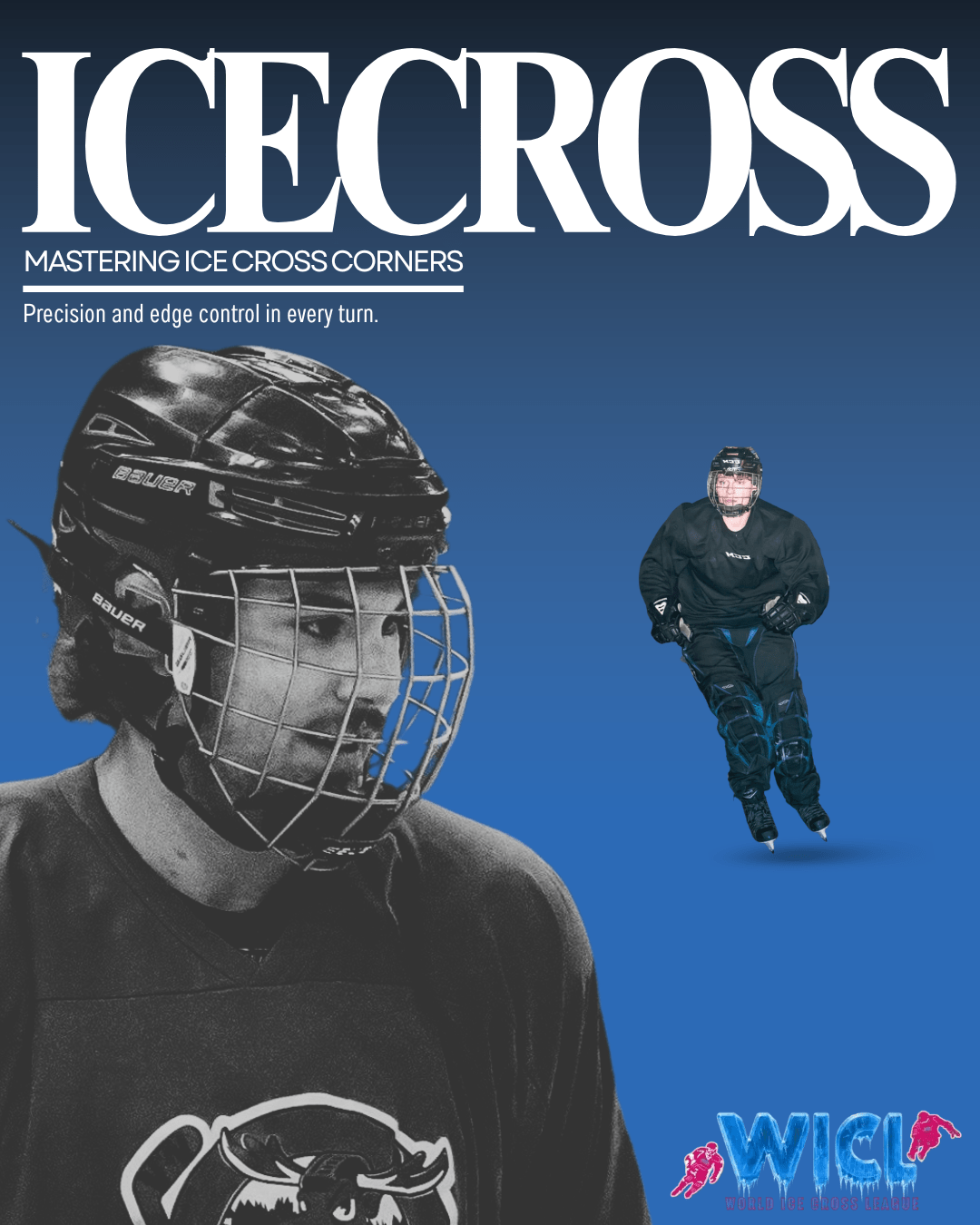
Ice Cross Cornering Techniques for High-Speed Racing Cornering is one of the most important skills in Ice Cross racing. Tight turns can determine whether an athlete maintains momentum or loses valuable speed. Athletes must enter corners with the correct racing line and maintain strong edge control. Body Position Leaning into turns while keeping the center of gravity low helps maintain stability. Line Selection Choosing the optimal racing line allows athletes to exit corners with maximum speed. Mastering cornering technique gives Ice Cross racers a major competitive advantage. RECENT POSTS Media …
Media
March 5, 2026

What Athletes Do Before Competition

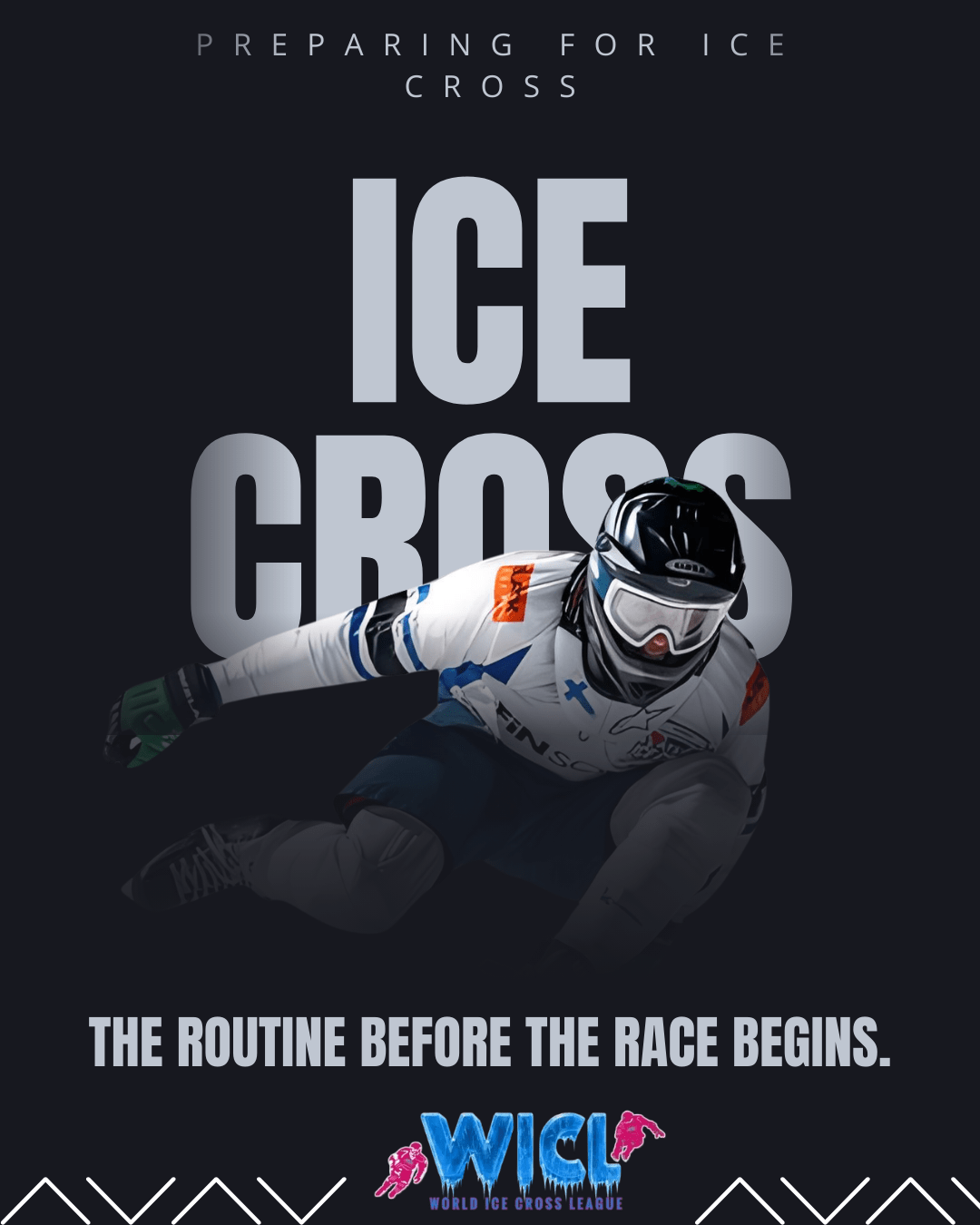
What Athletes Do Before Competition Preparation is a key part of Ice Cross competition. Before stepping into the starting gate, athletes follow routines that help them perform at their best. Warm-Up Dynamic stretching and light skating help activate muscles before racing. Proper warm-up reduces injury risk and improves reaction time. Equipment Check Athletes carefully inspect their skates, blades, and protective gear before competition. Mental Focus Visualization is commonly used by racers. Athletes mentally rehearse the track layout and obstacle sequence. These preparation habits help competitors enter each race confident and …
Media
March 5, 2026

The Role of Balance in Ice Cross Racing

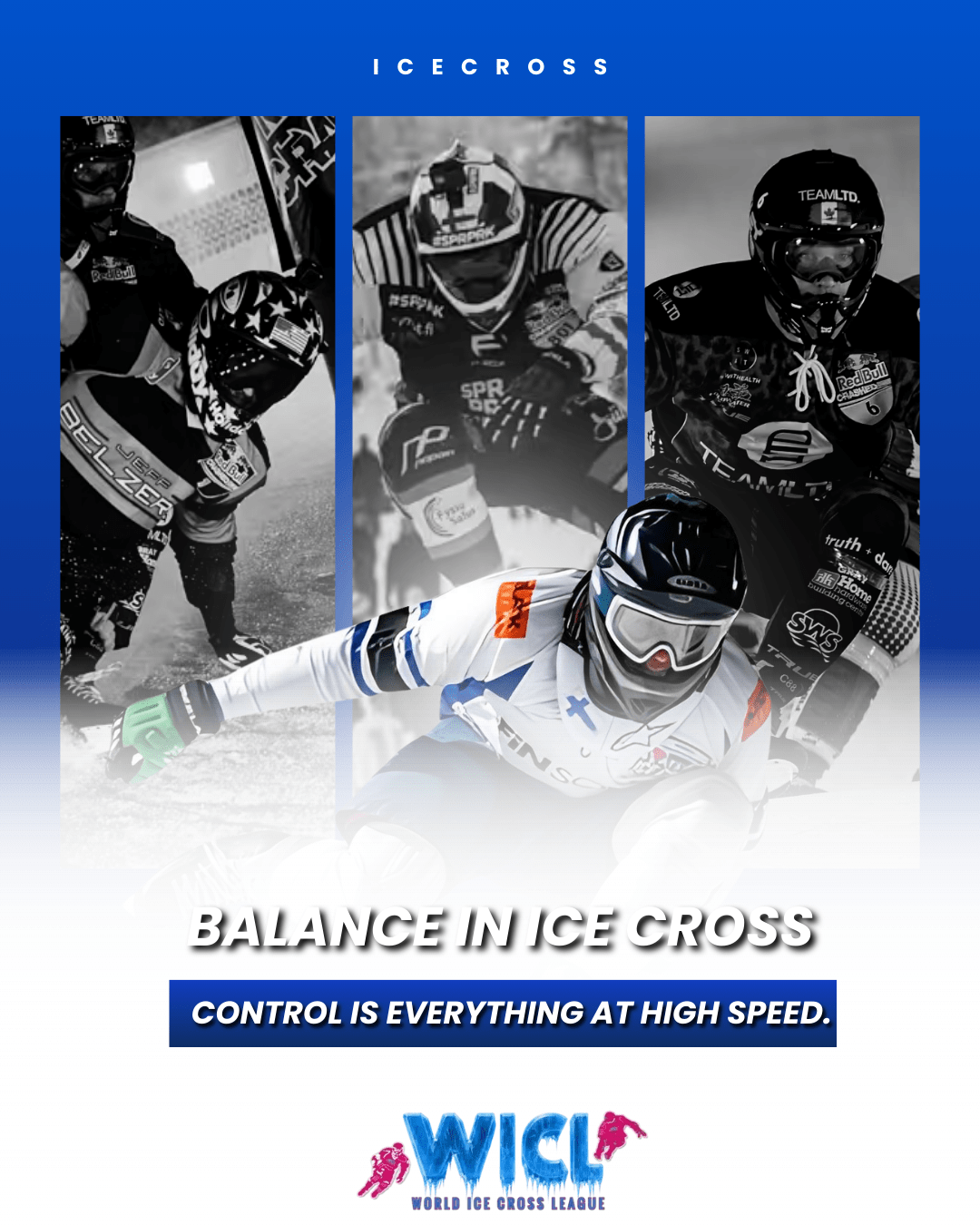
The Role of Balance in Ice Cross Racing Balance is a critical skill in Ice Cross. Athletes travel at high speeds over uneven ice surfaces while navigating jumps, rollers, and tight corners. Maintaining balance allows skaters to keep their edges engaged and maintain control of their direction. Training for Balance Many Ice Cross athletes train using balance boards and stability exercises. These workouts strengthen the small stabilizing muscles around the ankles and hips. On-Ice Practice Practicing one-leg skating and controlled edge transitions also improves balance. Athletes who develop strong balance …
Media
March 5, 2026

Ice Cross vs Hockey Skating: Key Differences in Technique

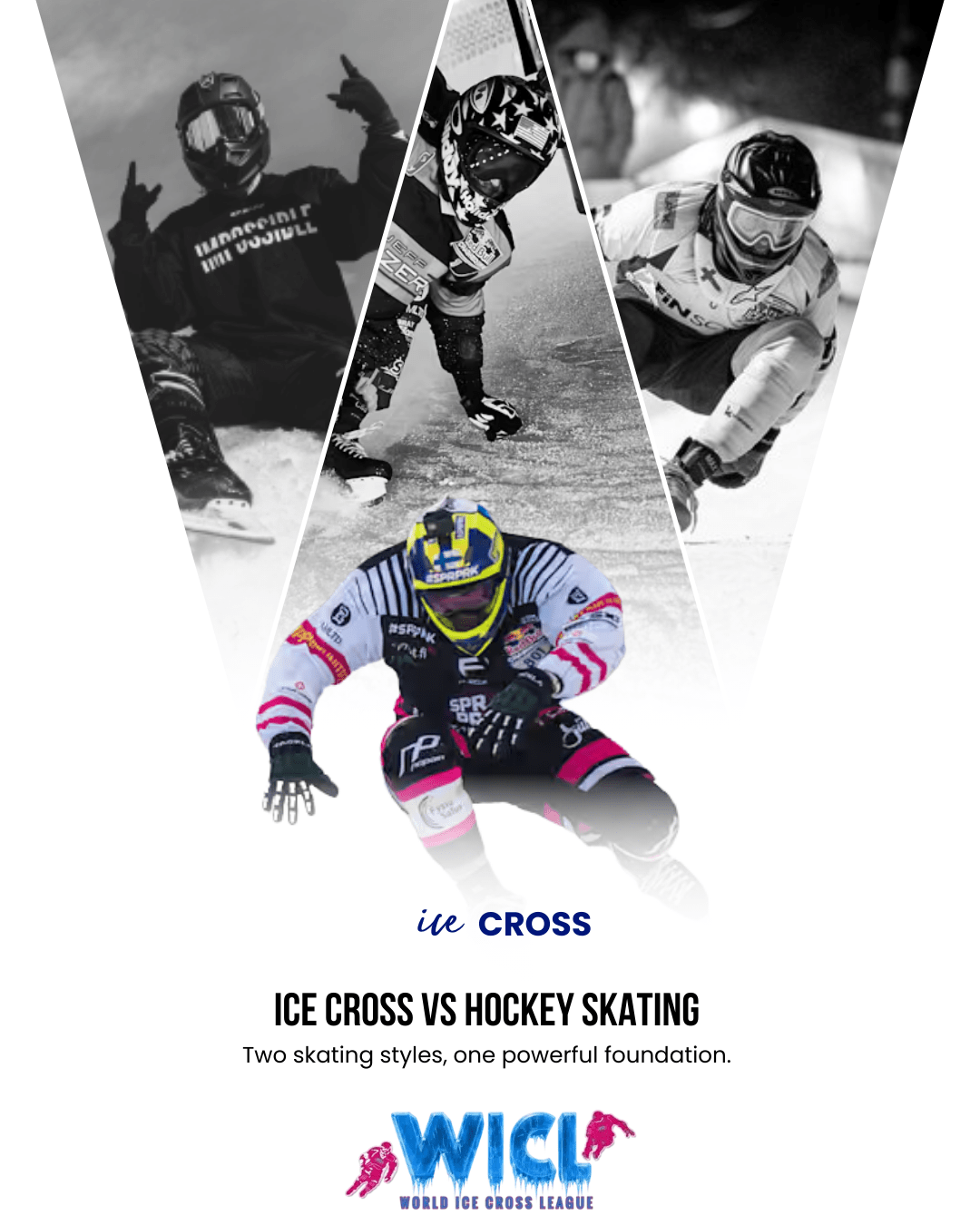
Ice Cross vs Hockey Skating: Key Differences in Technique Many Ice Cross athletes come from hockey backgrounds, but the techniques used in downhill racing are quite different. In hockey, players skate on flat ice while focusing on quick direction changes and puck control. Ice Cross requires athletes to adapt those skills to steep downhill tracks. Body Position Ice Cross athletes maintain a lower center of gravity when racing downhill. This helps them absorb bumps and maintain stability at high speeds. Edge Control While hockey players rely heavily on quick turns …
Media
March 5, 2026

How Athletes Stay Protected at High Speeds

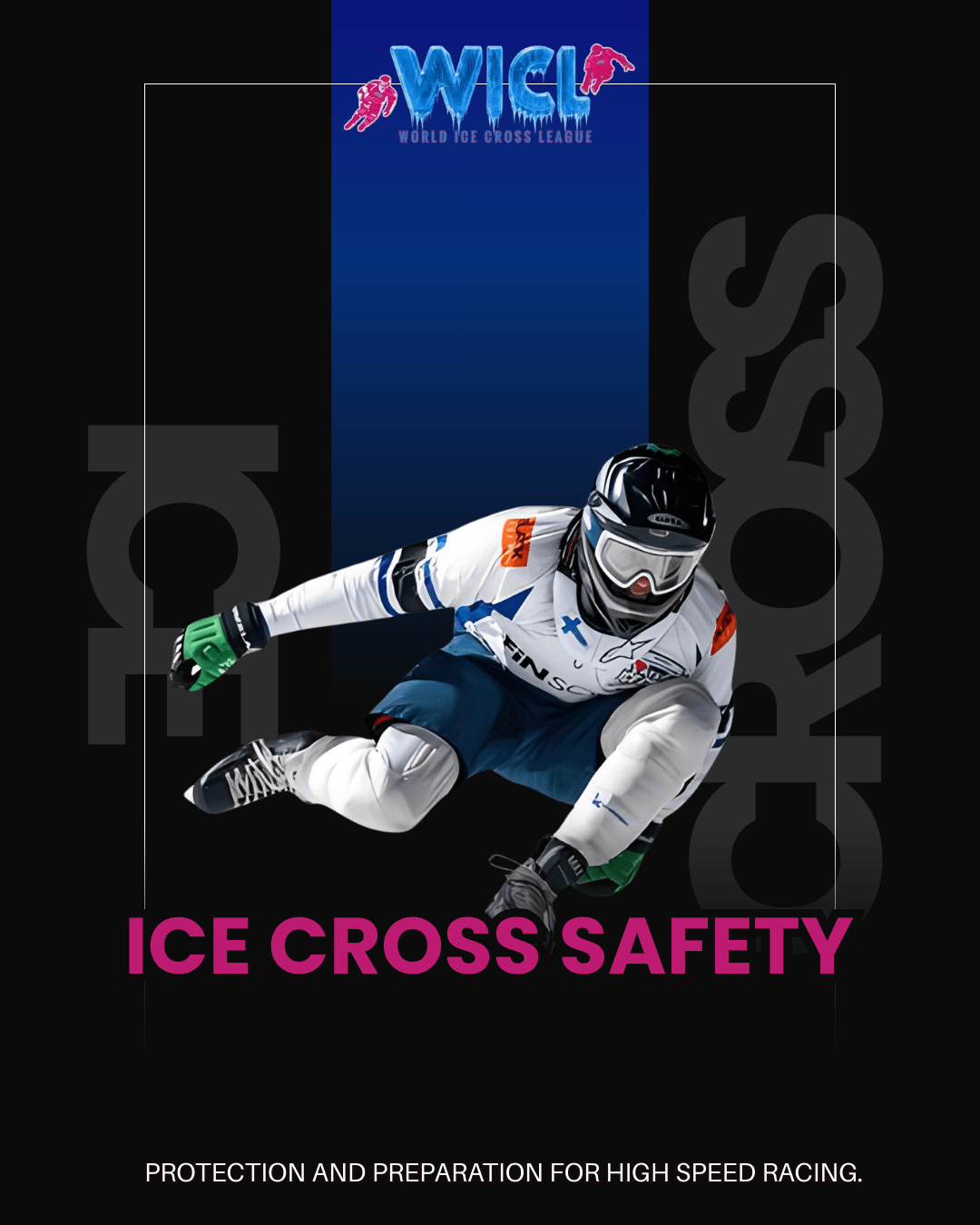
How Athletes Stay Protected at High Speeds Ice Cross is one of the fastest winter sports, with athletes racing downhill on ice tracks filled with jumps, rollers, and tight turns. Because of the high speeds involved, safety is an essential part of the sport. Athletes rely on multiple layers of protection to reduce injury risk while maintaining performance. Protective Equipment Helmets are the most important piece of safety equipment in Ice Cross. Many athletes use full-face helmets similar to those worn in downhill cycling or motocross. These helmets protect the …
Media
March 5, 2026

A Complete Guide to Starting Downhill Ice Racing

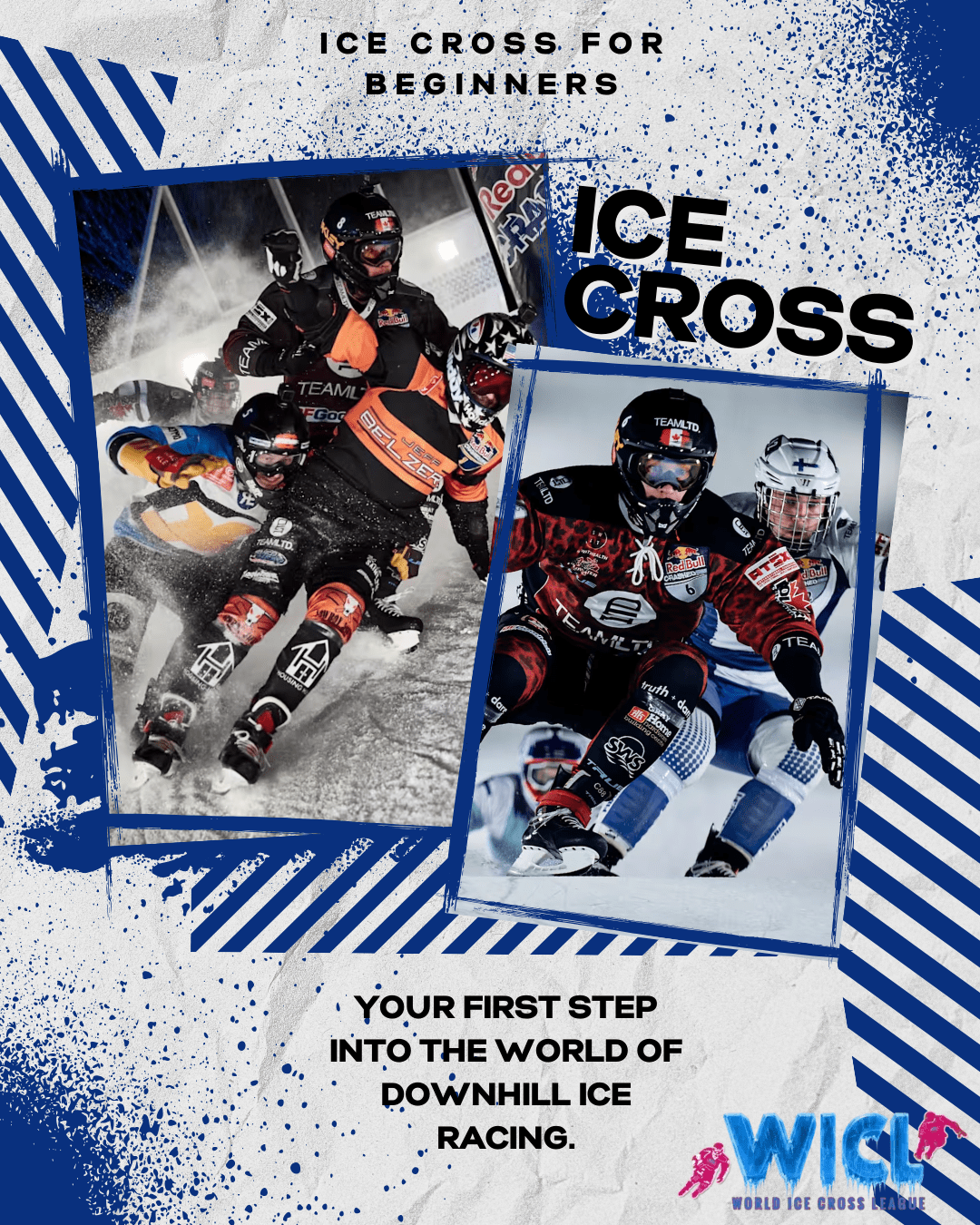
A Complete Guide to Starting Downhill Ice Racing Ice Cross is one of the most exciting winter sports in the world. Athletes race down steep ice tracks filled with jumps, rollers, and tight corners while competing directly against other racers. The combination of speed, obstacles, and head-to-head competition makes Ice Cross both thrilling to watch and incredibly rewarding to participate in. For beginners, the sport may appear intimidating at first. However, many successful Ice Cross athletes started with simple skating backgrounds and gradually developed the skills needed for downhill racing. …
Media
March 5, 2026

The Future of Ice Cross Racing

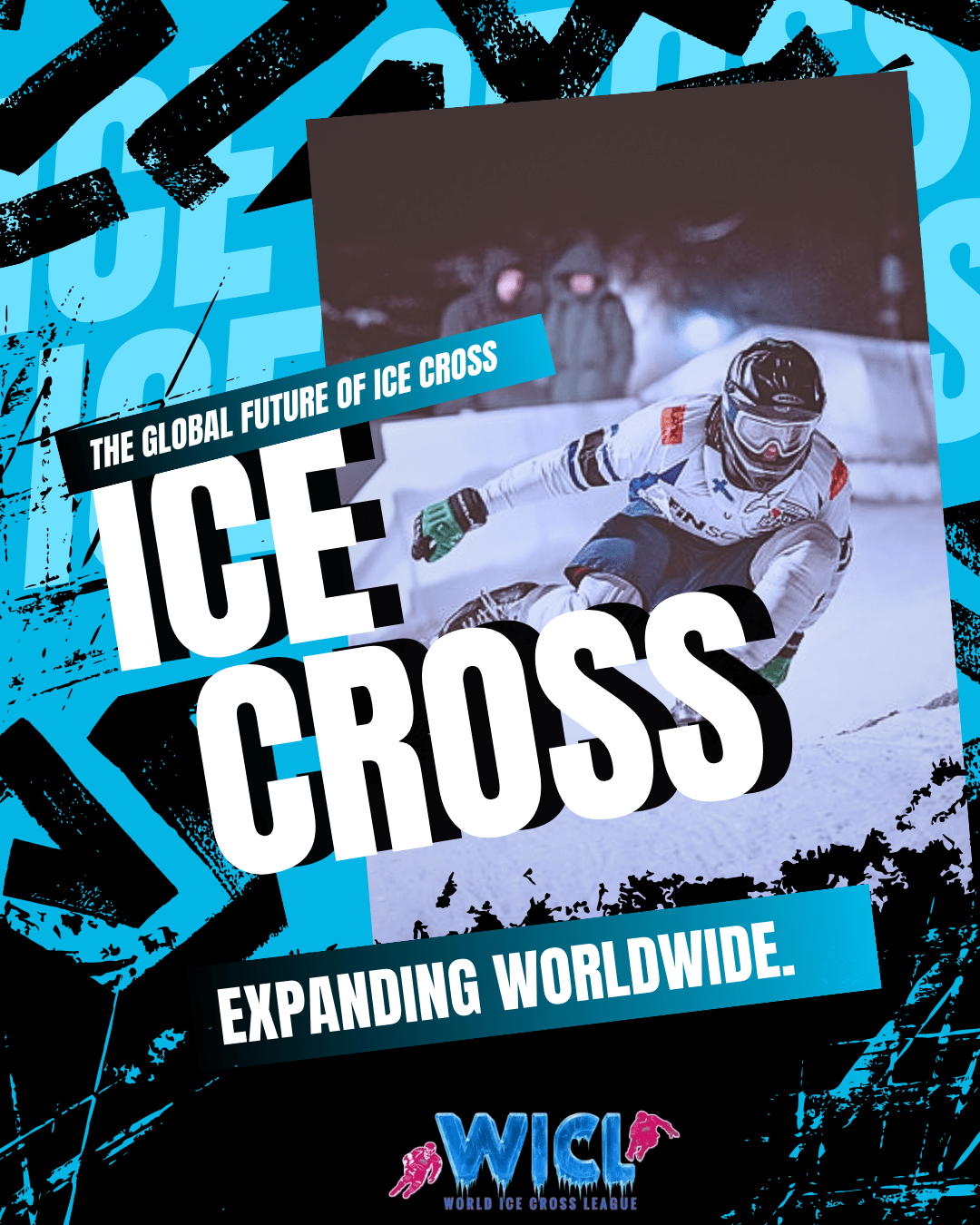
The Future of Ice Cross Racing Ice Cross is continuing to expand as more athletes and fans discover the excitement of downhill ice racing. New competitions, improved training programs, and increasing international participation are helping the sport grow each year. Advancements in track design are making races more dynamic and visually exciting. Improved safety measures are also allowing more athletes to compete confidently. Youth development programs are introducing the sport to younger generations. These programs help build the next wave of Ice Cross athletes. With global interest increasing, Ice Cross …
Media
March 5, 2026

Ice Cross Strategy: How Athletes Win Races

Ice Cross Strategy: How Athletes Win Races Winning an Ice Cross race requires more than speed. Athletes must also use smart strategy to position themselves effectively during competition. The start is one of the most important moments in a race. A strong start allows an athlete to reach the first corner ahead of competitors, reducing the risk of congestion. Line selection is another key factor. Choosing the fastest path through corners and obstacles can save valuable time. Athletes must also stay aware of their competitors. Defensive positioning may be required …
Media
March 5, 2026

How to Start Ice Cross: A Beginner’s Guide

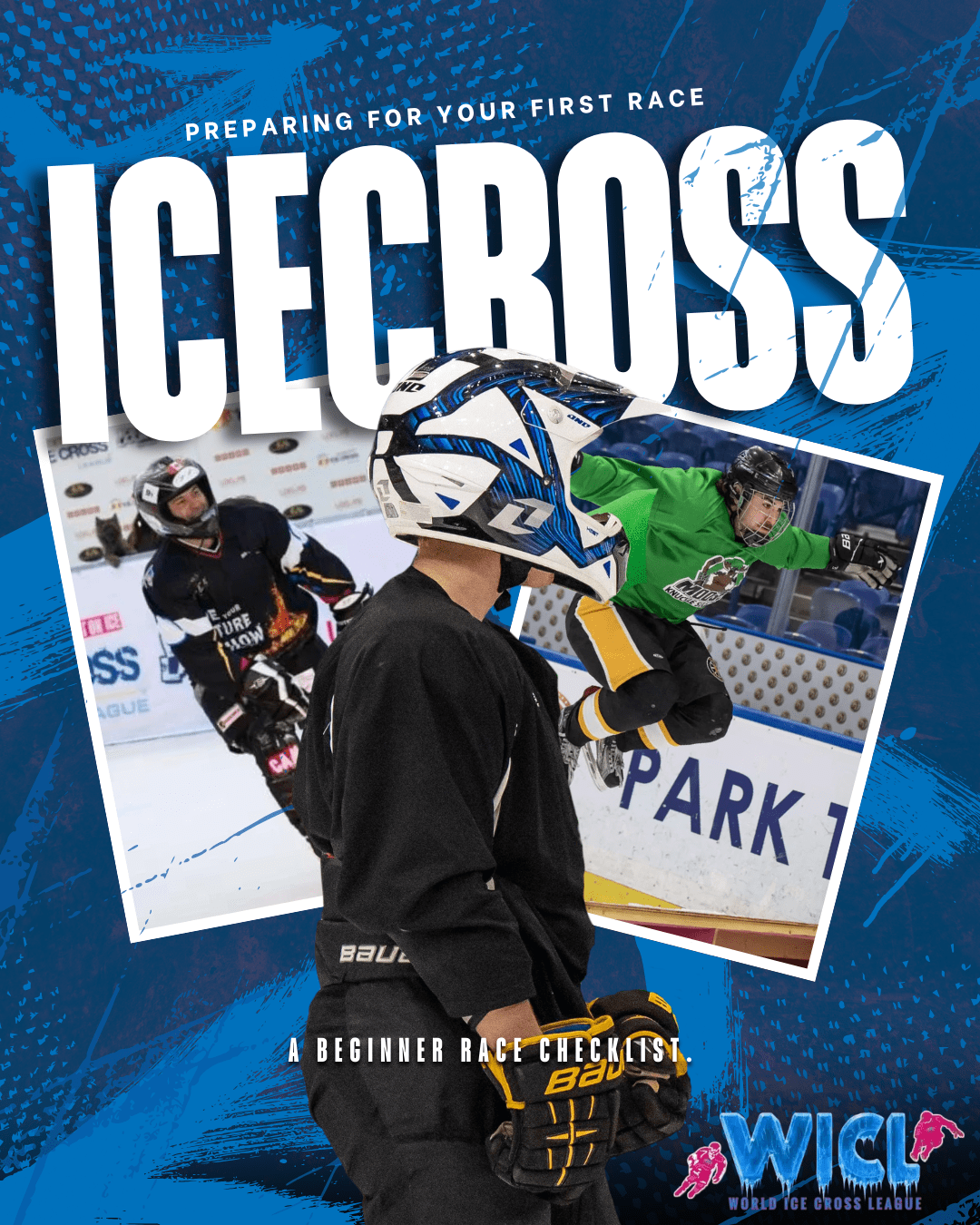
How to Start Ice Cross: A Beginner’s Guide Ice Cross may appear intimidating, but many athletes begin the sport with basic skating experience. Hockey players and recreational skaters often find that their existing skills help them adapt to downhill racing. The first step is developing strong skating fundamentals. Balance, edge control, and confident turning are essential before attempting more advanced techniques. Beginners should practice on gentle slopes before progressing to more technical tracks. Gradual progression helps athletes develop confidence and reduce injury risk. Training with experienced riders can accelerate learning. …
Media
March 5, 2026

How Race Courses Are Built

How Race Courses Are Built Ice Cross tracks are carefully designed to create exciting and competitive races. Track builders combine steep slopes, technical obstacles, and safety features to produce courses that challenge athletes while protecting them from serious injury. Course designers begin by selecting a location with a natural downhill gradient. This allows athletes to build speed naturally as they race toward the finish line. Obstacles are then added to increase technical difficulty. Jumps, rollers, and tight corners force athletes to control their speed and maintain balance. Barriers and padding …
Media
March 5, 2026

How Ice Cross Athletes Train for Speed and Strength

How Ice Cross Athletes Train for Speed and Strength Ice Cross athletes follow demanding training programs to prepare for competition. Because the sport requires explosive power and technical skating ability, training must focus on both strength and skill development. Strength training builds the muscle power needed for acceleration and stability. Exercises such as squats, lunges, and plyometric jumps help athletes develop the explosive movements required for racing. Balance training is also essential. Downhill tracks include jumps, rollers, and uneven terrain, meaning athletes must maintain control at high speeds. On-ice training …
Media
March 5, 2026

Why Ice Cross Is One of the Most Exciting Winter Sports

Why Ice Cross Is One of the Most Exciting Winter Sports Ice Cross stands out among winter sports because it combines multiple elements of athletic competition into one high-speed race. Athletes must navigate steep downhill tracks while competing directly against other racers. The sport requires a unique blend of abilities. Skaters need explosive power to accelerate quickly, technical precision to navigate obstacles, and tactical awareness to position themselves effectively during competition. Unlike sports where athletes compete against the clock, Ice Cross races involve direct battles for position. Racers constantly react …
go top