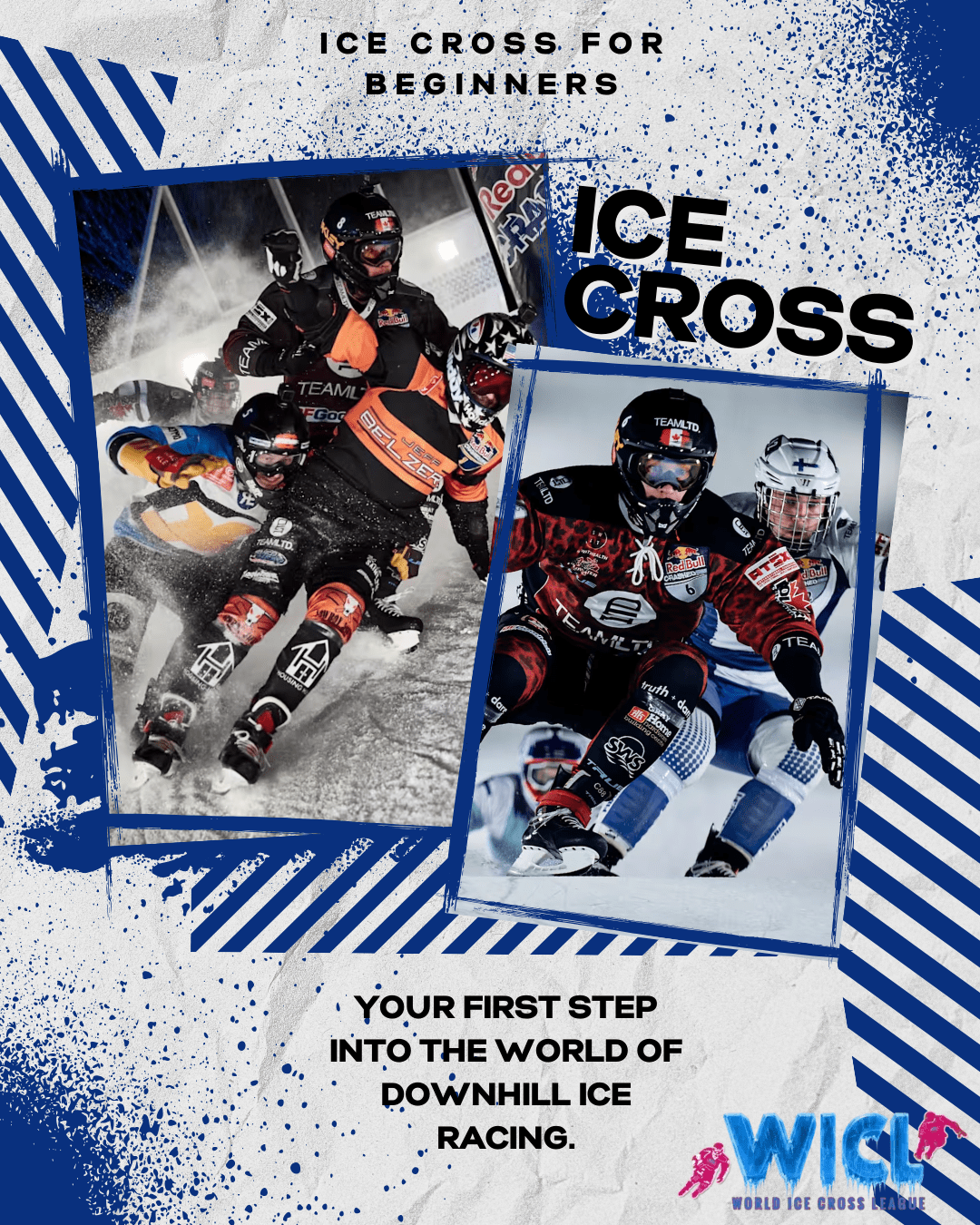
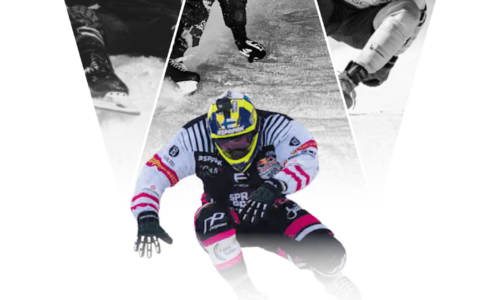
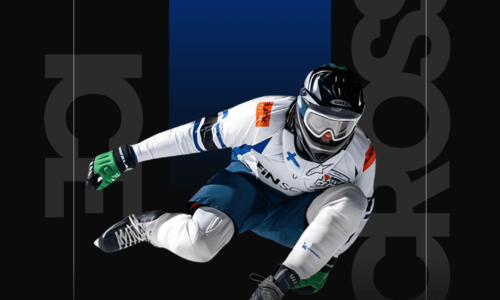
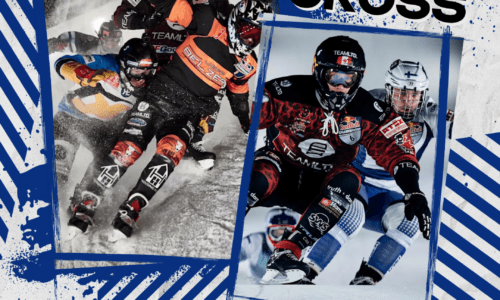
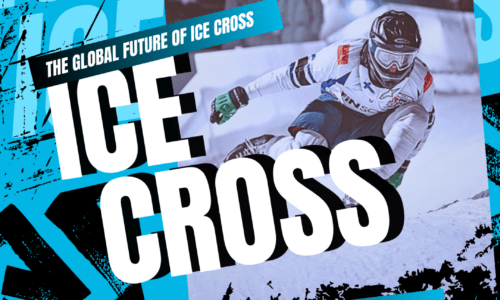
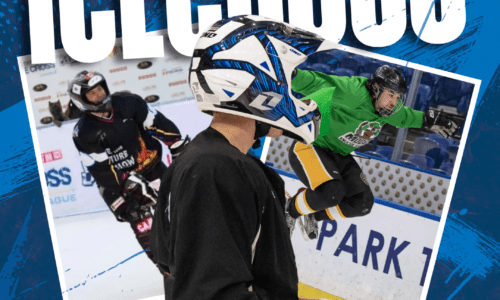
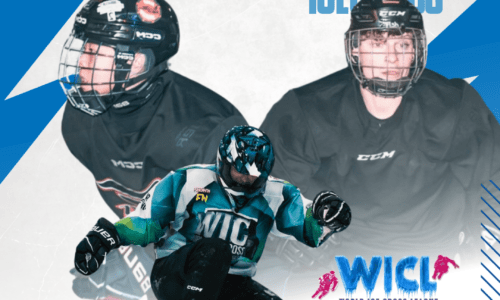
Ice Cross is one of the most exciting winter sports in the world. Athletes race down steep ice tracks filled with jumps, rollers, and tight corners while competing directly against other racers. The combination of speed, obstacles, and head-to-head competition makes Ice Cross both thrilling to watch and incredibly rewarding to participate in.
For beginners, the sport may appear intimidating at first. However, many successful Ice Cross athletes started with simple skating backgrounds and gradually developed the skills needed for downhill racing. With the right preparation, training, and mindset, new athletes can safely enter the sport and begin improving their abilities.
Understanding the Basics of Ice Cross
Ice Cross racing involves multiple athletes competing simultaneously on a downhill ice track. Each course includes technical elements such as turns, rollers, and jumps that test balance, speed control, and reaction time.
Unlike traditional skating sports that take place on flat surfaces, Ice Cross relies on gravity to generate speed. Athletes must constantly adjust their body position and edges to maintain stability while descending the course.
The races are typically short but intense. Competitors must accelerate quickly from the start gate and maintain momentum throughout the track while navigating obstacles and racing against opponents.
Essential Skating Skills for Beginners
Before attempting Ice Cross, beginners should feel comfortable performing basic skating movements. Strong skating fundamentals provide the foundation for safe and effective downhill racing.
Balance is the most important starting point. Skaters must be able to remain stable while gliding at speed and changing direction. Practicing one-leg balance drills and controlled turns helps develop the necessary control.
Edge control is another essential skill. Ice Cross tracks require athletes to lean into corners and maintain strong edges while traveling downhill. Beginners should practice smooth transitions between inside and outside edges.
Stopping and speed control are also critical. Being able to reduce speed confidently helps new athletes maintain safety during training sessions.
Building Strength and Conditioning
Ice Cross requires explosive lower-body power. Strong legs help athletes accelerate quickly and maintain stability during jumps and turns.
Beginners can develop this strength through exercises such as squats, lunges, step-ups, and plyometric jumps. These movements strengthen the muscles used in skating and improve overall athletic performance.
Core strength is equally important. A strong core helps athletes maintain balance and control when navigating technical obstacles.
Cardiovascular conditioning also plays a role. Although races are short, athletes often compete in multiple heats during an event. Building endurance ensures that performance remains strong throughout the competition.
Learning Downhill Technique
Once basic skating skills are comfortable, beginners can begin practicing downhill skating. Starting on gentle slopes is recommended. Gradual progression allows athletes to develop confidence while learning how gravity affects speed and control.
Body position becomes very important when skating downhill. Athletes must lower their center of gravity slightly and maintain a stable stance. This posture helps absorb bumps and maintain balance when encountering obstacles.
Practicing controlled descents allows beginners to adapt to the feeling of increased speed while maintaining proper technique.
Safety and Protective Equipment
Safety should always be a priority when learning Ice Cross. Because of the high speeds involved, protective equipment is essential.
A helmet is the most important piece of safety gear. Many athletes use full-face helmets similar to those worn in downhill mountain biking or motocross.
Knee pads, elbow pads, and gloves provide additional protection during falls. Shin guards and chest protection are also commonly used to reduce injury risk.
Wearing proper equipment allows beginners to train with greater confidence while reducing the chance of serious injury.
Training with Experienced Athletes
Learning alongside experienced Ice Cross athletes can accelerate progress significantly. Coaches and veteran racers can provide valuable feedback on technique, body position, and racing strategy.
Watching experienced athletes navigate obstacles also helps beginners understand how different track features should be approached.
Many Ice Cross communities welcome new participants and provide supportive environments for developing skills.
Developing Race Awareness
As beginners become more comfortable with skating and downhill technique, they can begin practicing racing situations. Ice Cross races involve multiple competitors on the track at the same time, which creates unique challenges.
Athletes must learn to maintain awareness of other racers while protecting their own racing line. Practicing with small groups helps build confidence in close racing environments.
Understanding when to defend a position or attempt an overtake is part of developing race strategy.
Progressing in the Sport
Ice Cross improvement comes through consistent practice and gradual progression. Athletes often begin with basic downhill training and local events before advancing to more competitive races.
Over time, skills such as jump control, rhythm through rollers, and advanced cornering techniques become more refined.
With dedication and proper training, beginners can quickly develop into competitive racers.
The Beginning of an Ice Cross Journey
Every experienced Ice Cross athlete once started as a beginner. Learning the fundamentals, building strength, and practicing downhill skating are the first steps toward success in the sport.
Ice Cross offers a unique combination of athletic challenge, excitement, and community. For those willing to embrace the learning process, it can become an incredibly rewarding pursuit.
Starting the journey into Ice Cross may feel challenging at first, but it opens the door to one of the most thrilling experiences in winter sports.