Introduction to Ice Cross Racing
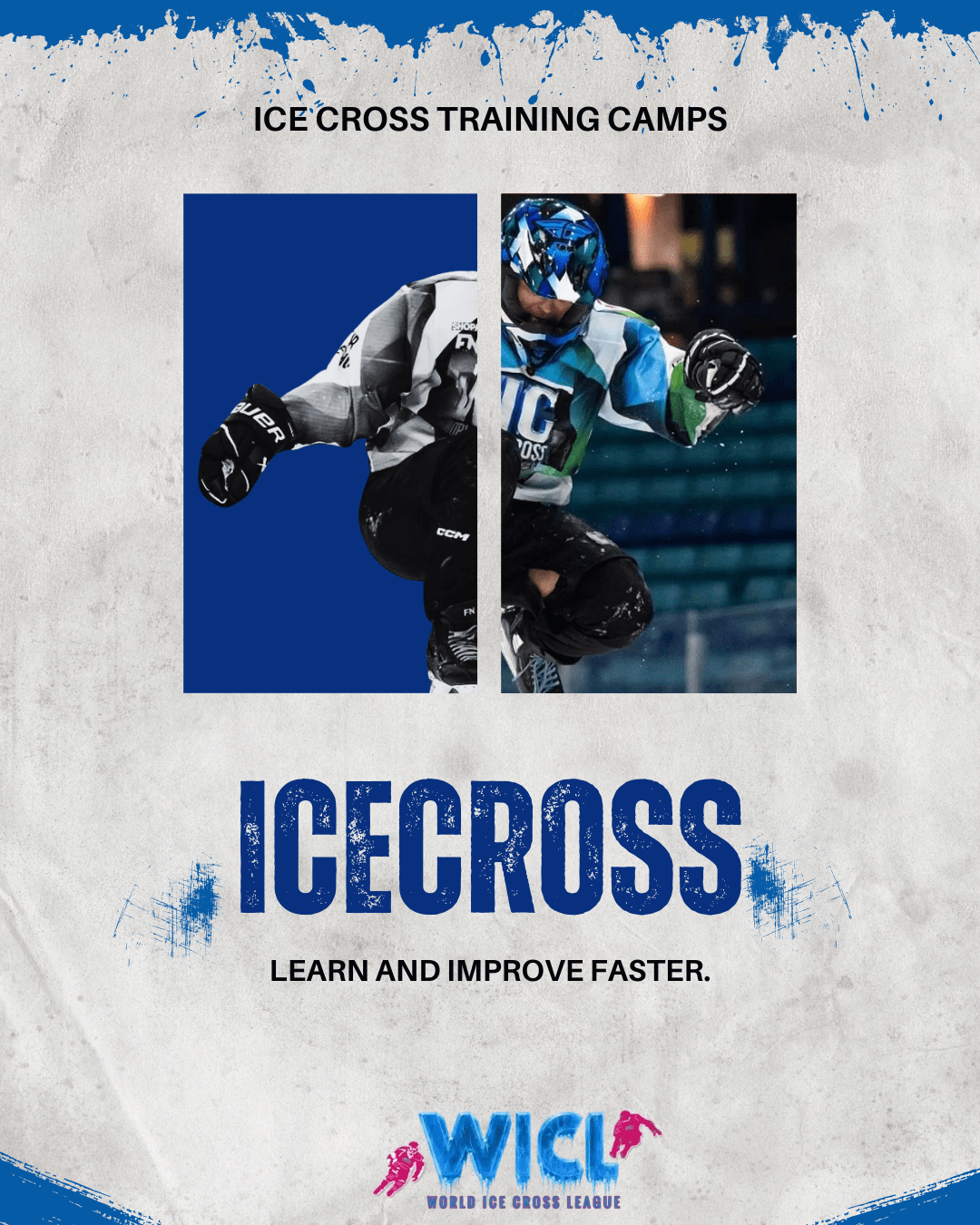
Ice Cross is one of the fastest and most intense winter sports in the world. Athletes race down steep ice tracks filled with jumps, rollers, and tight corners while competing directly against other racers. Because of the extreme speeds and technical obstacles involved, proper equipment is essential for both performance and safety. Every piece of Ice Cross gear plays a role in helping athletes maintain control, reduce injury risk, and compete at the highest level.
Ice Cross Skates
Skates are the most important piece of equipment for any Ice Cross athlete. Unlike traditional hockey or speed skating boots, Ice Cross skates must balance durability, stiffness, and control. A stiff boot provides strong ankle support, crucial when navigating jumps and high-speed turns. Blade sharpness is carefully managed, as slight adjustments influence edge grip, acceleration, and cornering ability.
Protective Helmets
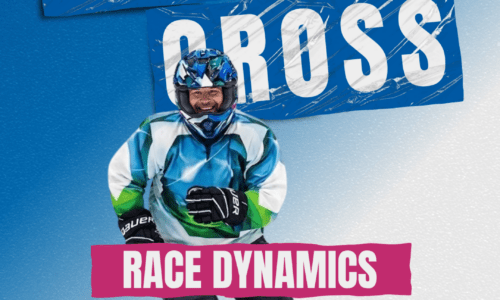
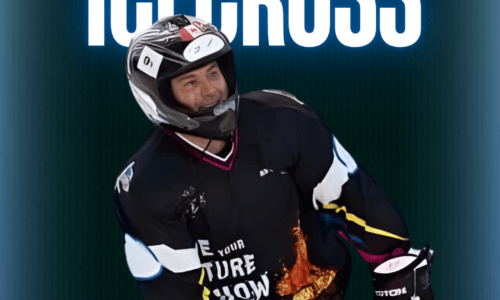
Helmets are mandatory in Ice Cross competition. Most racers wear full-face helmets similar to those used in downhill mountain biking or motocross. These helmets provide additional protection to the jaw and face, reducing the risk of injury during crashes or collisions.
Shoulder and Chest Protection
Upper body protection helps absorb impacts during falls or contact with other racers. Shoulder pads and chest protectors shield the collarbone, ribs, and upper torso while remaining lightweight and allowing mobility.
Knee and Shin Guards
Ice Cross tracks contain jumps and obstacles that can create sudden impacts. Knee and shin guards protect the lower legs from collisions with the ice or other competitors, allowing athletes to safely navigate tight corners and crowded race situations.
Gloves
Racing gloves provide protection and grip. Reinforced padding absorbs impacts without limiting finger movement, preventing hand injuries during falls or quick adjustments.
Neck Protection
Some athletes wear neck guards to protect against blade contact or impact injuries. While not always visible, this protective layer adds an extra safety element during high-speed racing.
Proper Fit and Comfort
Proper fit is one of the most important aspects of Ice Cross equipment. Gear that is too loose can shift during competition, while gear that is too tight may restrict movement. Athletes spend significant time testing and adjusting equipment to achieve the right balance of protection, mobility, and comfort.
Safety and Performance
As Ice Cross grows globally, equipment technology continues to advance. Manufacturers are developing lighter materials, stronger protective padding, and improved skate designs. The right equipment allows athletes to focus on speed, strategy, and performance while minimizing risks. In a sport where fractions of a second determine the winner, confidence in equipment can make a significant difference. Well-prepared athletes know that skill, training, and proper gear are essential for success in Ice Cross racing.