Introduction to Ice Cross Training
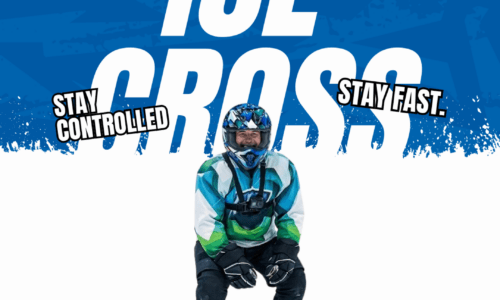
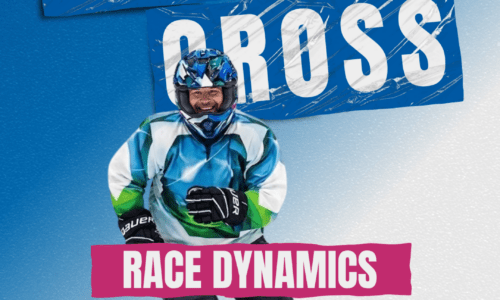
Ice Cross is one of the most physically demanding ice sports in the world. Athletes must combine explosive power, precise technical control, and high-speed decision making while racing down challenging downhill tracks. Because of these unique demands, Ice Cross training requires a specialized approach that develops both athletic performance and technical skating ability.
Unlike traditional skating sports that emphasize endurance over long distances, Ice Cross races are short, intense bursts of speed. Athletes compete in multiple heats throughout an event, requiring repeated maximum power while maintaining technical control on complex courses.
Strength and Power Development
Lower body strength is one of the most important physical attributes for Ice Cross athletes. Powerful legs allow skaters to accelerate quickly out of the starting gate and maintain momentum through flat sections of the track.
Training programs typically include squats, lunges, deadlifts, and plyometric jumps to develop explosive power in the quadriceps, glutes, and hamstrings. Plyometric training improves an athlete’s ability to absorb impact and react quickly, which is critical when landing jumps or navigating rollers on a downhill track.
Balance and Stability
Ice Cross tracks feature uneven terrain, sharp turns, and rapid elevation changes. Athletes must maintain balance while traveling at high speeds. Balance training strengthens stabilizing muscles around the ankles, knees, and hips, allowing athletes to maintain edge control on technical sections of the course. Equipment such as balance boards, stability balls, and single-leg platforms is commonly used in training.
Skating Technique
Technical skating ability is the foundation of Ice Cross performance. Efficient stride mechanics help athletes conserve energy while maintaining high speeds.
On-ice training focuses on starts, cornering, and body positioning. Practicing downhill skating allows athletes to control acceleration while navigating obstacles. Video analysis helps coaches identify improvements in posture, stride timing, and line selection.
Endurance and Conditioning
Although Ice Cross races are short, athletes must maintain peak performance throughout multiple heats during an event. Interval training simulates race conditions, combining repeated high-intensity efforts with short recovery periods. This prepares the body to handle both anaerobic power demands and aerobic recovery.
Mental Preparation
Mental toughness is essential for Ice Cross athletes racing at high speeds. Visualization techniques help athletes rehearse track features, obstacle sequences, and race strategies to improve reaction time and decision making. Breathing and focus exercises help athletes stay calm under pressure.
Equipment Familiarity
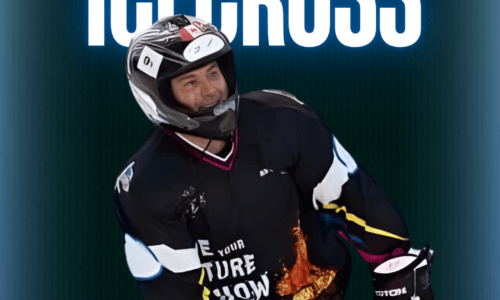
Understanding equipment is key to Ice Cross performance. Skate blade sharpness, boot stiffness, and protective gear all influence speed and control. Athletes often test different setups during training to determine the optimal combination of comfort, safety, and performance.
Becoming a Complete Ice Cross Athlete
Ice Cross training combines strength, technical skill, endurance, mental preparation, and equipment mastery. Athletes who develop all of these elements gain a competitive advantage on the track.
As the sport grows globally, training programs continue to become more advanced. Dedication, discipline, and smart preparation help athletes build the skills needed to succeed in one of the most exciting winter sports in the world.