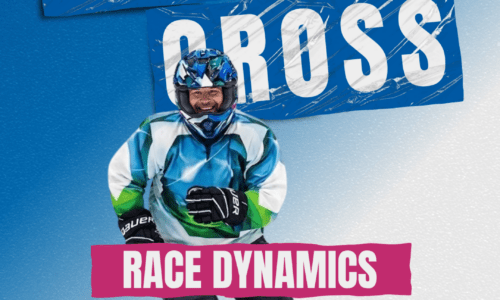
Ice Cross: A Closer Look at the Sport Redefining Winter Competition
Ice Cross has emerged as one of the most exhilarating winter sports in the world. Known for its speed, intensity, and obstacle-packed downhill tracks, Ice Cross challenges athletes in ways that few sports can match. As more competitors, fans, and organizers become involved, Ice Cross continues to build its reputation as a powerful and fast-growing global sport.
Whether you’re new to the sport or already familiar with its high-energy races, learning how Ice Cross works gives you a deeper appreciation of its unique features and rising popularity.
What Is Ice Cross and Why Is It So Dynamic?
Ice Cross is a downhill, high-speed racing sport where athletes compete on ice tracks filled with obstacles, jumps, rollers, and sharp turns. Unlike traditional ice skating, Ice Cross requires athletes to navigate a constantly changing environment at top speed, all while maintaining balance and control.
This combination of athletic skill and unpredictable movement makes Ice Cross one of the most dynamic winter sports ever created.
How Ice Cross Racing Brings Out Elite Performance
Every Ice Cross race pushes athletes to perform at the highest level. Success in the sport depends on a combination of:
Athletes must adapt instantly to track features and competitors battling alongside them.
What You’ll Find on an Ice Cross Track
Ice Cross tracks are engineered for excitement, challenge, and speed. Every course includes a series of elements built to test athletes from start to finish.
1. Steep Launch Start
Racers drop down a high-angle section to generate immediate momentum.
2. Technical Turns
Sharp curves force athletes to adjust their speed, edge control, and positioning.
3. Rollers and Waves
These features disrupt rhythm and demand balance.
4. Jumps and Air Sections
Athletes must land smoothly to maintain control.
5. Sprint Finish
The final straight tests strength, endurance, and racing instinct.
These track elements create the intensity that Ice Cross fans love.
Why Athletes Are Drawn to Ice Cross
Ice Cross attracts athletes from many sports, especially those with skating backgrounds. Competitors often come from:
Hockey
Speed skating
Figure skating
Ski cross
Mountain biking and BMX
These athletes bring different strengths to the sport, creating a diverse and exciting racing field.
The Global Growth of Ice Cross
Ice Cross continues to expand across multiple regions, with new events and communities forming every year.
1. International Competitions
Major races bring together top athletes and offer global recognition.
2. New Training Locations
More rinks, clubs, and winter towns are investing in Ice Cross programs.
3. Digital Exposure
Race footage, athlete highlights, and online coverage help Ice Cross reach new audiences.
4. Youth and Amateur Development
Young athletes are entering the sport earlier, strengthening its future.
Ice Cross is no longer a niche sport—it’s becoming a worldwide movement.
How New Athletes Can Start Training for Ice Cross
Anyone interested in joining Ice Cross can begin with accessible training techniques:
Build skating speed and stride power
Improve balance and edge control
Work on explosive leg strength
Train core stability for track obstacles
Practice quick reaction movements
Study track features to understand race strategy
With consistent training, athletes can transition smoothly into Ice Cross competition.
The Future of Ice Cross as a Competitive Sport
The future of Ice Cross is bright. As more events, organizations, and developmental programs emerge, the sport is gaining legitimacy and recognition on a global scale. Its combination of skill, excitement, and community involvement makes Ice Cross a sport with enormous long-term potential.